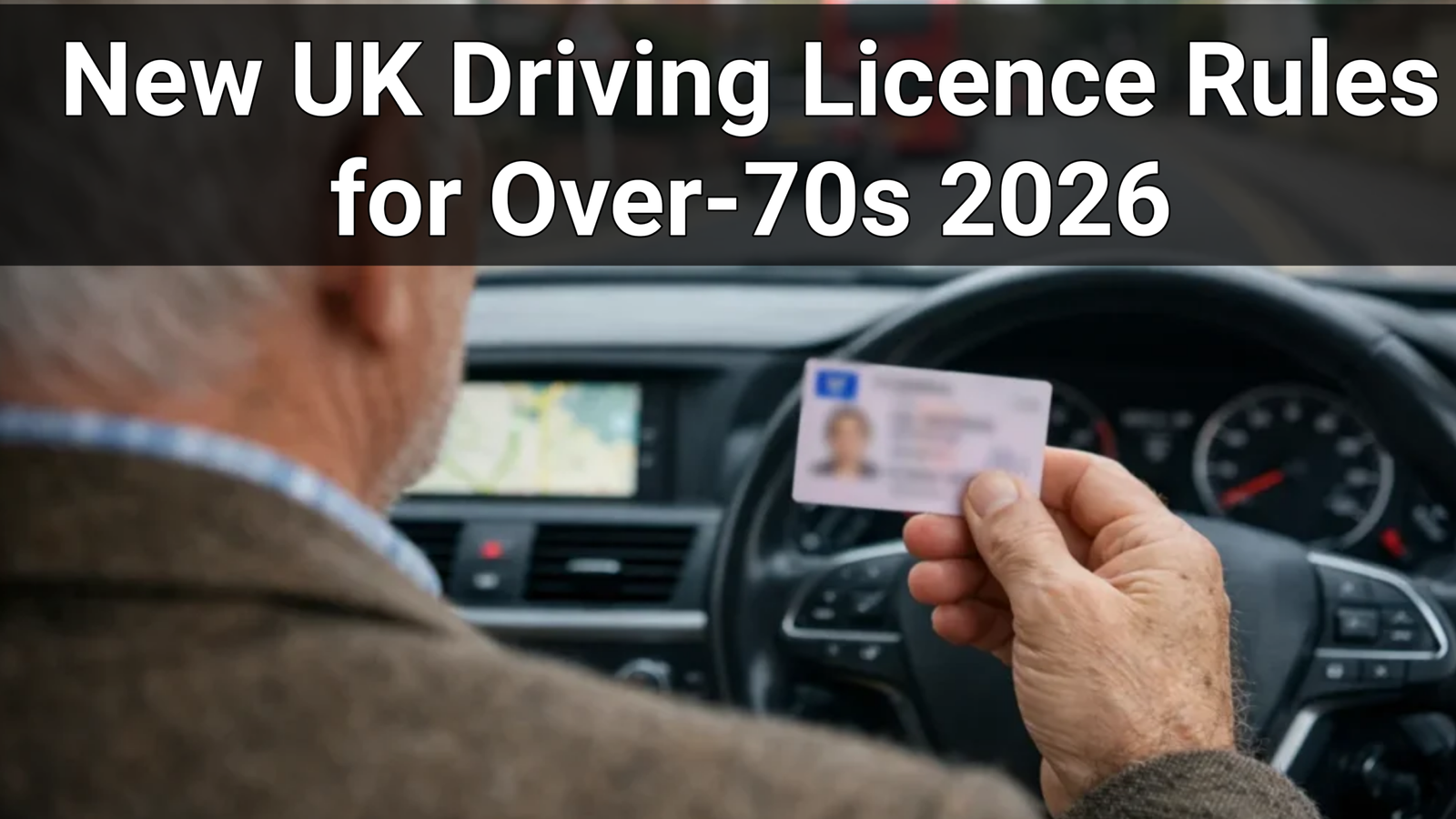
If you are approaching your 70th birthday or have already crossed that milestone, you probably know that your relationship with the DVLA changes a bit. In 2026, the UK driving licence rules for over 70s remain a hot topic, especially with the government looking closer at road safety for senior drivers. While there is no upper age limit to stop driving, the process to keep your licence becomes more frequent. You don’t just get to keep your card forever; instead, you have to renew it every three years. This isn’t just a suggestion—it’s a legal requirement to stay on the road legally.
Table of Contents
Navigating the 2026 UK Driving Licence Renewal Process
The most important thing to remember is that your licence officially expires the day you turn 70. You won’t have to retake your driving test, which is a huge relief for many. However, you do have to make a formal health declaration. The DVLA usually sends out a D46P application form about 90 days before your birthday. If you’re tech-savvy, the easiest way to handle this is online through the official GOV.UK website. It’s faster, and you often get your new licence back within a week.
New Eyesight and Medical Standards 2026
There has been a lot of talk about mandatory eye tests for older drivers starting in 2026. While the government is still consulting on exactly how strict these will be, the core message is clear: you must be able to read a number plate from 20 metres. If you struggle with your vision, it is your responsibility to report it. Failing to do so doesn’t just risk a fine; it puts everyone on the road in danger.
UK Driving Licence Renewal New Methods
| Feature | Online Application (GOV.UK) | Postal Application (D46P/D1) |
| Cost | Free | Free |
| Processing Time | Approx. 5–7 days | Up to 3 weeks |
| Requirements | UK Passport & NI Number | Form and original documents |
| Ease of Use | High (Instant confirmation) | Moderate (Requires mailing) |
Common Health Conditions to Declare
You don’t need to tell the DVLA about every sniffle or cold, but serious conditions are a different story. If you have developed diabetes, heart issues, or any neurological condition like Parkinson’s, you must let them know. In some cases, the DVLA might issue a shorter licence—perhaps for one or two years—to keep a closer eye on your fitness to drive.
Medical Conditions and Actions
| Condition Type | Action Required | Potential Outcome |
| Diabetes (on Insulin) | Declare on renewal form | Medical review by DVLA |
| Vision Issues | Must meet 20m plate test | Restricted to driving with glasses |
| Heart Conditions | Declare if it affects driving | Possible doctor’s report needed |
| Sleep Apnoea | Must be controlled and declared | Licence remains valid if managed |
Stay Safe and Independent
Driving represents freedom, especially as we get older. By staying on top of the UK driving licence rules for over 70s in 2026, you ensure that freedom isn’t taken away by a missed deadline or a preventable accident. Keep your eyes checked, be honest about your health, and enjoy the open road.
FAQs
Do I have to pay to renew my licence at 70?
No, renewing your licence once you reach 70 is completely free of charge when using the official DVLA services. Be careful of third-party websites that try to charge you a fee.
How often do I need to renew after the first time?
Once you turn 70, you must renew your driving licence every three years for as long as you wish to continue driving.
Can I still drive while waiting for my new licence?
Yes, in most cases you can continue driving under “Section 88” rules, provided your doctor hasn’t told you to stop and you had a valid licence previously.
What happens if I forget to renew?
If your licence expires and you haven’t renewed it, you are driving illegally. This could lead to a £1,000 fine and your insurance becoming invalid.