Is your $2,000 tax refund suddenly frozen? You’re not alone. The IRS is experiencing a major IRS Mid-Season Backlog in February 2026, causing thousands of refunds to be delayed due to verification checks and a massive filing surge. If your refund status has been stuck on “processing” for weeks, the system is likely caught in a seasonal slowdown. But you don’t have to just wait—understanding why this happens is the first step to managing the situation.
The peak filing period in mid-February always creates a logjam, especially for returns claiming common credits that trigger extra scrutiny. This year, the backlog is affecting a significant number of taxpayers expecting refunds around the $2,000 mark. Panicking or re-filing will only cause more problems. Here’s your clear guide to navigating the delay, checking your status correctly, and knowing what actions to take.
What is Causing the 2026 IRS Mid-Season Backlog?
The IRS Mid-Season Backlog is not a random error; it’s a predictable result of high volume and security measures. Here are the primary reasons your refund is stuck.
- Record Filing Volume: Mid-February sees the highest concentration of tax returns as everyone receives their W-2s and 1099s and files immediately.
- Credit & Deduction Verification: Returns claiming Earned Income Tax Credit (EITC), Child Tax Credit, or other deductions are legally required to undergo a longer review, often holding refunds until late February.
- Document Mismatches: Small errors like a misspelled name or wrong Social Security number force a return into manual review.
- Identity Fraud Filters: The IRS’s anti-fraud systems are extra vigilant during peak season, flagging more returns for verification.
- Bank Processing Time: Even after IRS approval, direct deposits can take 1-5 additional days to appear in your account.
How to Check Your Refund Status in the IRS Mid-Season Backlog?
You must use the official IRS tool to get accurate information. Do not trust third-party sites.
- Go to the Official Portal: Visit the IRS “Where’s My Refund?” tool on their official website.
- Enter Your Details: Provide your Social Security Number (SSN), filing status (e.g., Single, Married), and the exact refund amount from your return.
- Check Your Status: The tool will show one of three bars: “Return Received,” “Refund Approved,” or “Refund Sent.”
- Interpret the Message: If it’s stuck on “Return Received” for over 21 days, it’s likely caught in the backlog. “Refund Approved” means it’s cleared and payment is imminent.
Official Link: Always use the official IRS.gov site: https://www.irs.gov/refunds
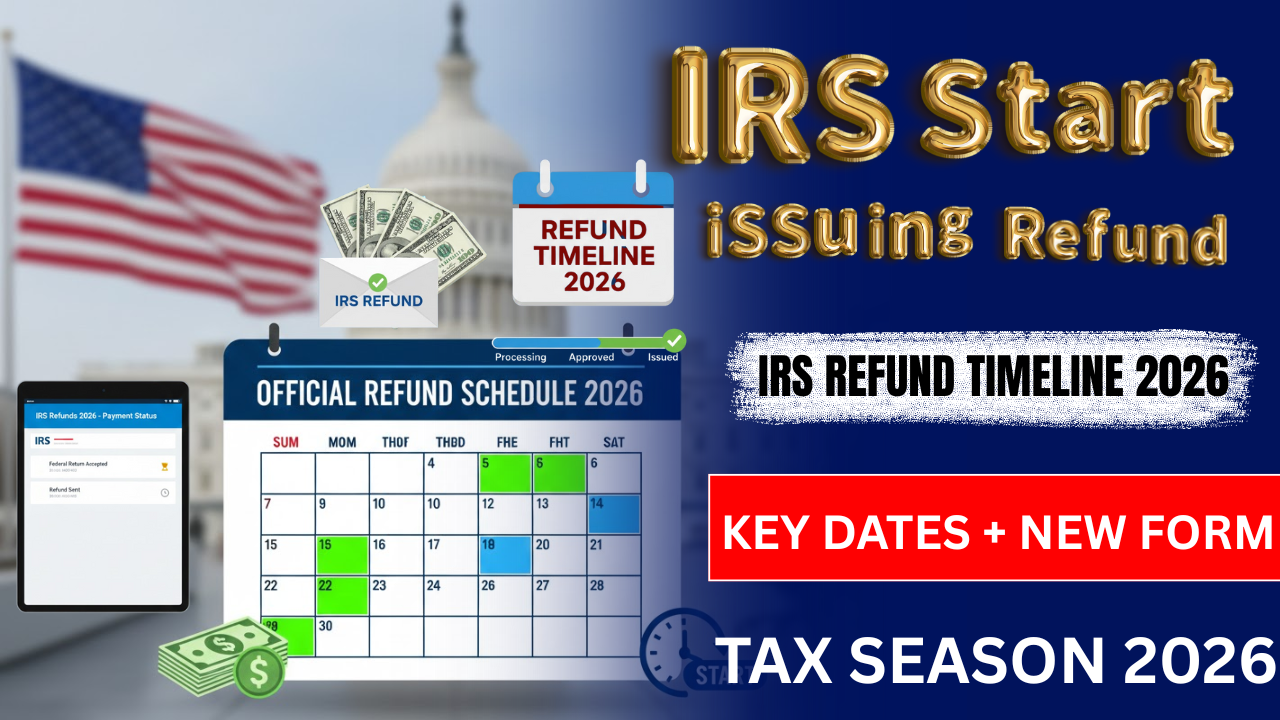
What is the IRS Refund Timeline During a Backlog?
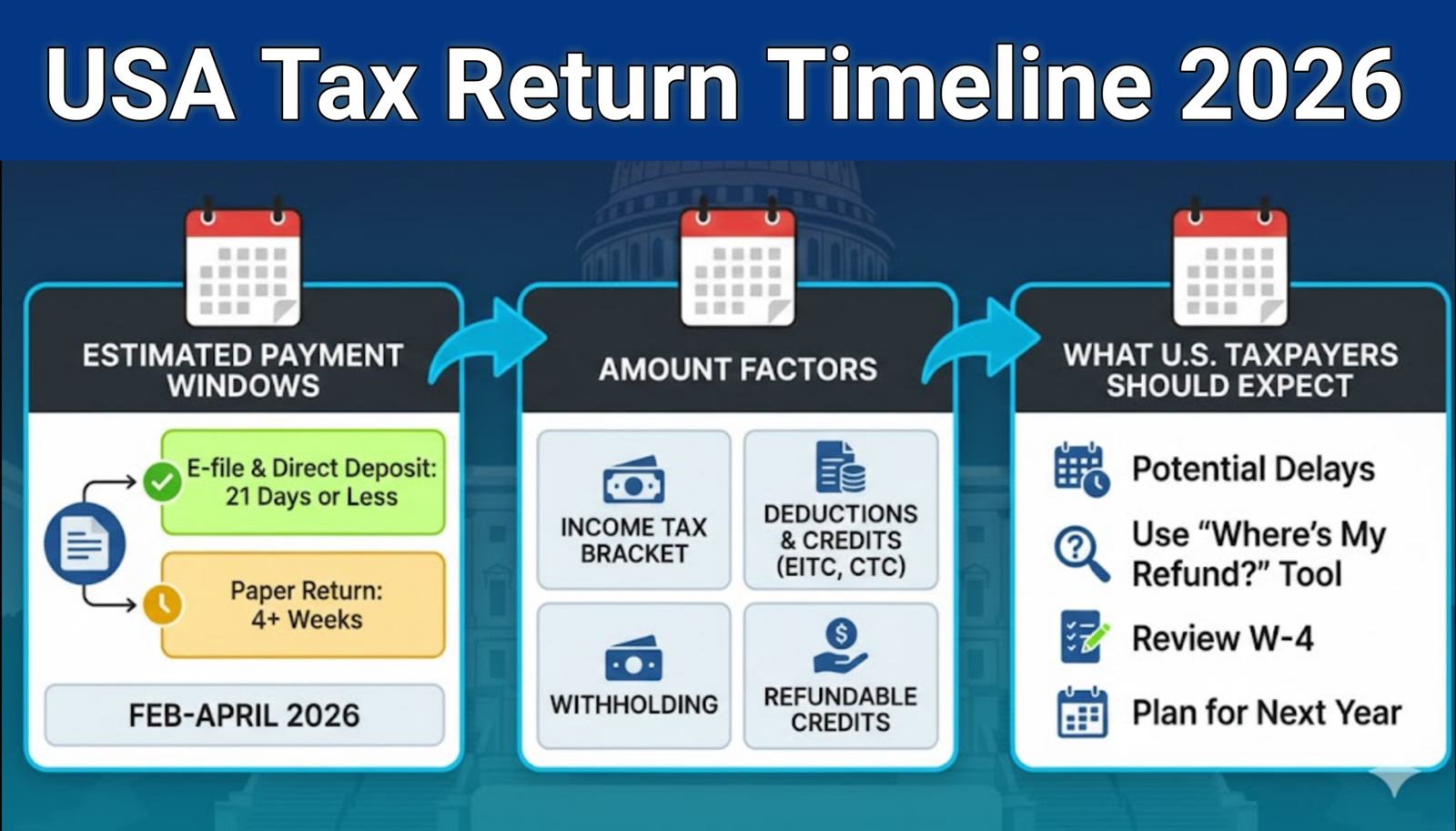
Even with e-file and direct deposit, the standard 21-day window can extend during peak season. Here is a more realistic 2026 timeline if your return is flagged.
| Stage | Standard Timeline | Timeline During Feb 2026 Backlog |
|---|---|---|
| Return Acceptance | 24-48 hours | 24-48 hours |
| Processing & Review | 1-2 weeks | 3-5 weeks (If claiming credits) |
| Refund Approval | Day 21 | Day 21 – Day 45 |
| Direct Deposit | 1-5 days after approval | 1-5 days after approval |
What Should You Do If Your Refund is Delayed?
Do not call the IRS immediately; their phone lines are overwhelmed. Follow this action plan instead.
- Step 1: Verify Your Return. Double-check that you entered all information correctly—SSNs, bank account numbers, and filing status.
- Step 2: Check for IRS Notices. Look for a letter or notice (CP05, CP07) in your mail. The IRS may need additional information to verify your identity or credits.
- Step 3: Respond Promptly. If you get a notice, follow the instructions exactly and mail or upload the requested documents immediately.
- Step 4: Use Your Online Account. Create or log into your IRS Online Account to see if there are any action items or transcripts indicating a problem.
- Step 5: Wait Patiently. If no notice arrives and your return was correct, the delay is likely due to the volume backlog and will resolve on its own.
What are Common Errors That Cause Delays?
Avoid these mistakes if you haven’t filed yet, as they guarantee a hold-up.
- Incorrect Bank Account Numbers: A wrong routing or account number will bounce your direct deposit.
- Mismatched Income: The amounts on your W-2 or 1099 must match what the IRS has from your employer.
- Math Errors: Simple calculation mistakes can trigger a manual correction, adding weeks.
- Missing Signatures: An unsigned e-filed return is invalid and will be rejected.
When Should You Actually Contact the IRS?
Only reach out if you meet these specific conditions, as calling too early won’t help.
- The “Where’s My Refund?” tool tells you to contact the IRS.
- It has been more than 21 days since your e-filed return was accepted, or over 6 weeks since you mailed a paper return.
- You received a notice and need clarification.
In summary, the mid-February 2026 IRS Mid-Season Backlog is a temporary but frustrating bottleneck. Use the official IRS tool to track your $2,000 refund, ensure your return was error-free, and respond quickly to any notices. For most, patience is the only remedy as the IRS works through the peak season volume. Your money is coming—it’s just moving slower than usual.