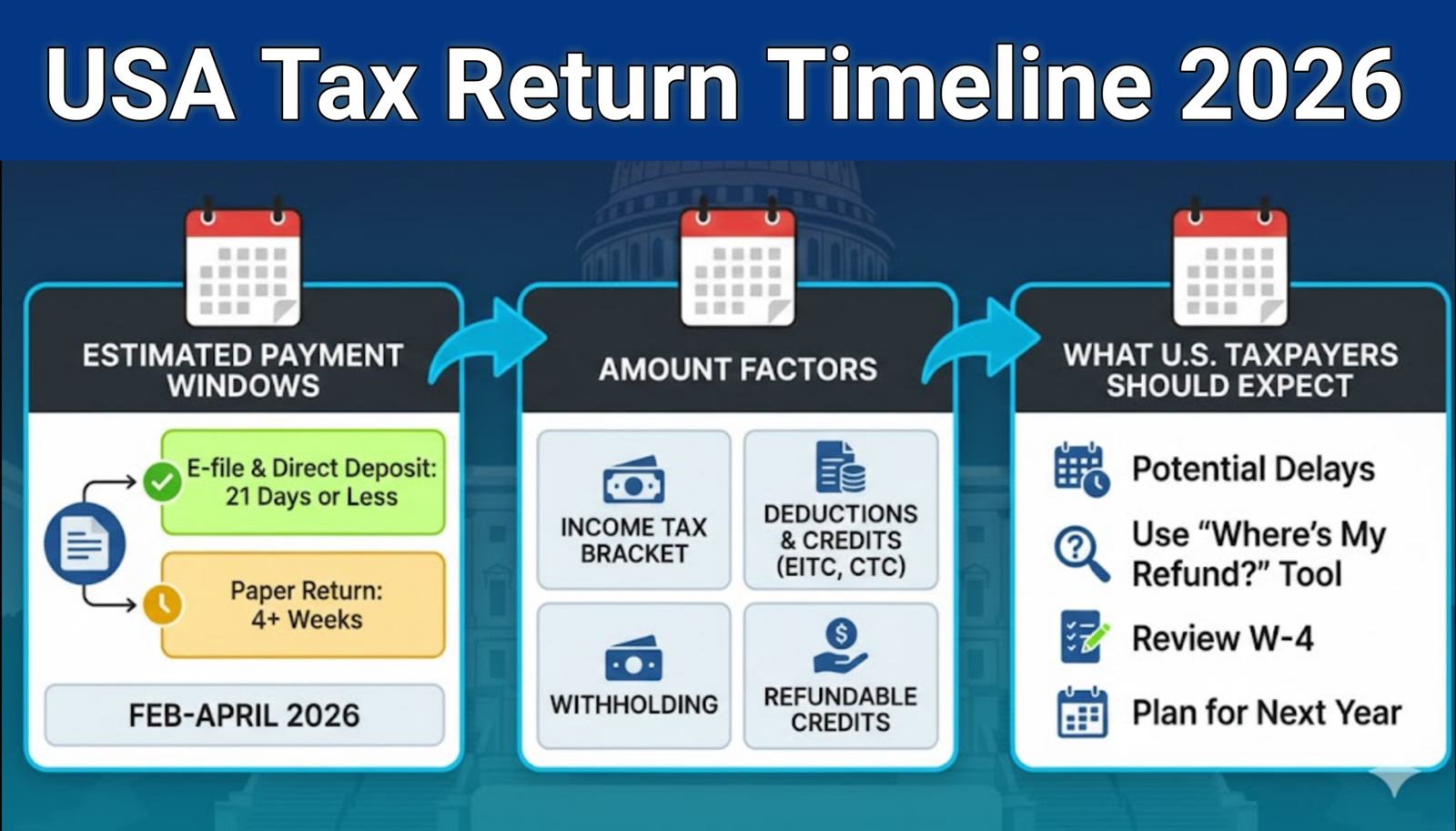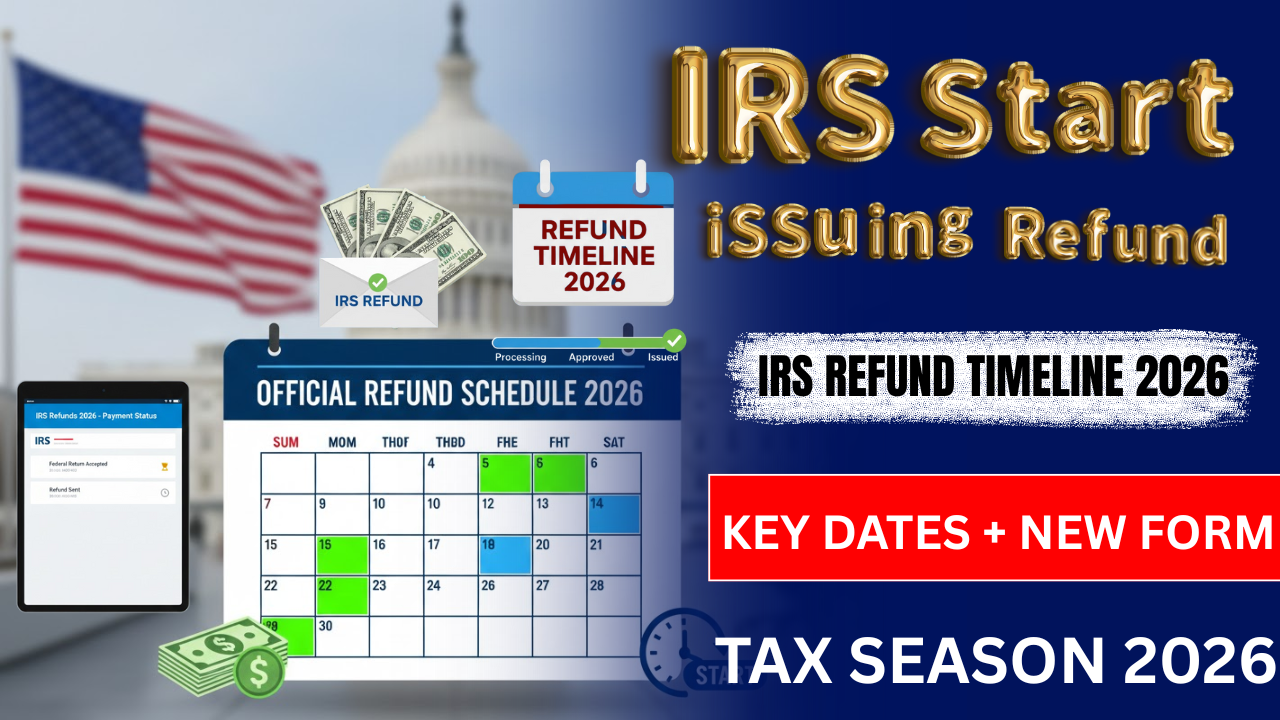
The IRS has just announced the official start date for the 2026 tax season, and if you have dependents, you could be looking at a significantly larger refund this year. With new tax laws and increased credits, knowing exactly when to file and when to expect your direct deposit is crucial. This guide provides the official 2026 refund calendar, explains how dependents affect your timeline, and shows you the fastest way to get your money—potentially as early as February 6, 2026.
The 2026 tax filing season is shaped by the recent “One Big Beautiful Bill Act,” which includes changes to the Child Tax Credit (CTC) and other deductions that benefit families. The IRS will begin accepting returns on January 26, 2026, and has mandated direct deposit for all refunds, eliminating paper checks to speed up delivery.
How Do Dependents Affect Your 2026 Refund Timeline?
Claiming dependents like children can increase your refund but may also add a short delay. The IRS places a mandatory review hold on returns claiming key credits to prevent fraud.
- Returns with the Earned Income Tax Credit (EITC) or Child Tax Credit (CTC) will have their refunds delayed until at least late February or early March 2026 for verification.
- Returns without these credits that are filed electronically and use direct deposit can receive refunds in as little as 10-21 days after acceptance.
- Key Tip: Ensure all dependent information (Social Security Numbers, dates of birth) is 100% accurate to avoid further delays.
What is the Official 2026 Tax Refund Schedule?
Based on the IRS start date of January 26, here is the estimated refund schedule for electronically filed returns with direct deposit:
| If IRS Accepts Your E-File By: | Estimated Direct Deposit Refund Date (No EITC/CTC) | Estimated Refund Date (With EITC/CTC) |
|---|---|---|
| Jan. 26, 2026 | Feb. 6, 2026 | First week of March 2026 |
| Feb. 2, 2026 | Feb. 13, 2026 | First week of March 2026 |
| Feb. 16, 2026 | Feb. 27, 2026 | Mid-March 2026 |
| Mar. 2, 2026 | Mar. 13, 2026 | Late March 2026 |
| Apr. 13, 2026 | Apr. 24, 2026 | Early May 2026 |
How Can You Get Your Refund Faster in 2026?
To ensure the fastest possible refund, follow this checklist:
- File Electronically: E-filing is significantly faster and more accurate than mailing paper forms.
- Choose Direct Deposit: This is now mandatory for receiving a refund. Have your routing and account numbers ready.
- Gather Documents Early: Collect all W-2s, 1099s, and dependent information (SSNs, childcare receipts) in January.
- Review for Accuracy: Double-check all numbers, especially Social Security Numbers for you and your dependents.
- File as Soon as Possible: Filing early, especially before the mid-March rush, avoids system delays.
Where is the Official “Where’s My Refund?” Tool?
The only official way to check your refund status is through IRS.gov. Do not trust third-party sites.
- Official IRS Refund Tracker: IRS Where’s My Refund?
- IRS2Go Mobile App: Available for free on Apple and Android devices.
- You will need your Social Security Number, filing status, and the exact refund amount to use the tool.
What If You Need More Time to File?
If you can’t file by the April 15, 2026 deadline, you can request an automatic extension.
- File Form 4868 electronically or on paper by April 15.
- This grants an extension to file until October 15, 2026.
- Important: This is an extension to file, not to pay. If you owe tax, you must estimate and pay it by April 15 to avoid penalties and interest.
Why Might Your 2026 Refund Be Larger?
Due to the 2025 tax law changes, many families with dependents could see an increase:
- Increased Child Tax Credit: The maximum credit amount per child has been raised.
- New Dependent Care Credits: Expanded deductions for childcare expenses.
- Adjusted Withholding: Changes in tax tables may have resulted in slightly more tax being withheld from your paychecks throughout 2025.
What are Common Reasons for a Delayed Refund?
Even with e-file and direct deposit, some factors can slow down your refund:
- Errors on Your Return: Simple mistakes like transposed numbers or wrong bank account digits.
- Incomplete Information: Missing forms or schedules.
- Identity Verification Holds: The IRS may need to verify your identity if something seems unusual.
- Offset for Debts: Your refund may be used to pay off certain federal or state debts.
Conclusion
The 2026 tax season offers the opportunity for a healthy refund, especially for families with dependents. The key to accessing your money quickly is preparation and timing. Mark your calendar for January 26, gather your documents, and aim to e-file with direct deposit as early as possible. Use the official IRS tools to track your refund status and avoid any misinformation. By following this guide, you can navigate the 2026 tax season with confidence and get your refund in the fastest time possible.