In today’s fast-moving world, staying updated on constitutional rights is more important than ever. For many Americans, the Second Amendment is not just a law; it is a way of life that represents freedom and safety. Recent headlines from early 2026 have sparked a massive debate across the United States regarding how these rights are applied during public gatherings. While some focus on the legal side, others are looking at how these changes affect the average person on the street. Understanding the balance between individual liberty and public safety is the core of this ongoing national conversation.
Table of Contents
The Recent Shift in Gun Politics and the Second Amendment
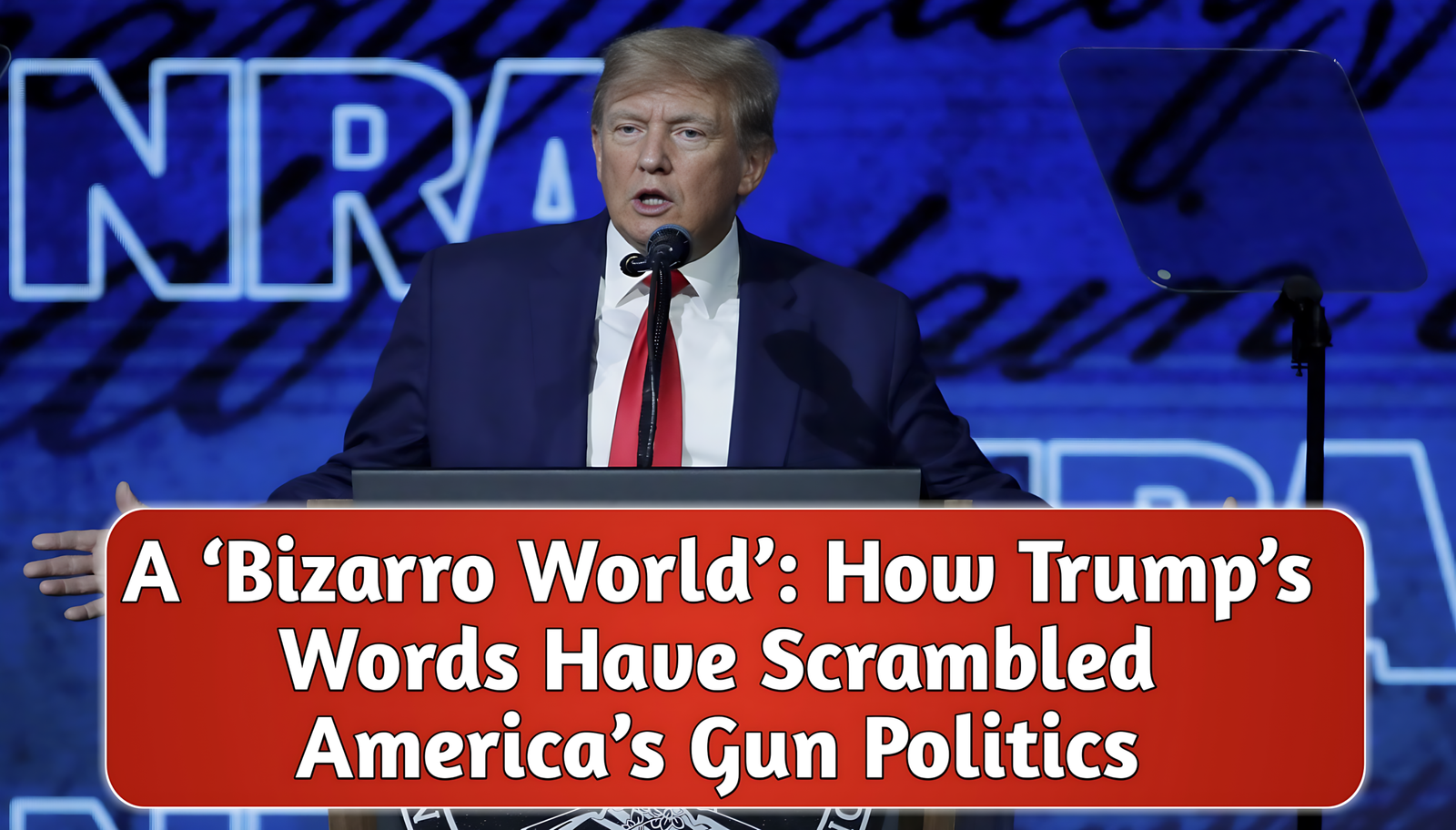
A series of events in early 2026, including a tragic incident in Minneapolis involving Alex Pretti, has forced the Trump administration to clarify its stance on firearm possession. While the administration has historically been a staunch supporter of gun rights, recent comments from federal officials have suggested limits on carrying weapons during protests. This has created a unique “scramble” in the political landscape, where even traditional allies like the NRA have voiced concerns about the consistency of these policies.
On one hand, the administration has moved to dismantle several restrictive policies from the previous years. For example, the Department of Justice recently signaled it would no longer enforce certain bans on mailing handguns through the U.S. Postal Service, a move celebrated by many enthusiasts. On the other hand, the rhetoric regarding firearms at public demonstrations has made some advocates uneasy, leading to a complex tug-of-war between federal authority and local gun rights.
| Policy Area | Recent Change/Update |
| Mailing Handguns | DOJ issued an opinion allowing handguns to be mailed via USPS. |
| Protest Carry | Administration officials suggest carrying during protests may be restricted. |
| Reciprocity | Continued GOP push for national concealed-carry reciprocity laws. |
| Federal Oversight | Reduction in ATF enforcement capacity and repeal of “zero tolerance.” |
The Role of the Supreme Court and Future Legislation
The legal world is also watching closely as the Supreme Court navigates a “messy” landscape of Second Amendment jurisprudence. Cases like VanDerStok v. Garland are testing the limits of how much the government can regulate firearm parts and “ghost guns.” Meanwhile, in Congress, there is a strong push for the “One Big Beautiful Bill Act,” which aims to reduce taxes and barriers for purchasing specialized equipment like silencers and short-barreled rifles.
| Action Item | Description |
| Executive Order 14206 | Directs the AG to review all federal rules for 2nd Amendment infringements. |
| Tax Stamp Removal | Proposal to eliminate the $200 tax on silencers and short-barreled firearms. |
| Second Amendment Task Force | A new group aimed at advancing the “guns everywhere” legislative agenda. |
As these policies evolve, the conversation often returns to the same point: how to protect the rights of law-abiding citizens while ensuring that public spaces remain safe for everyone. Whether you are a long-time gun owner or someone just interested in the news, these updates are shaping the future of American civil liberties.
FAQs
Can I still carry a gun during a public protest?
While many states allow open or concealed carry, recent federal comments suggest that carrying at protests might lead to increased scrutiny or legal challenges from federal agents, depending on the situation.
What is the status of mailing handguns?
As of January 2026, a DOJ memorandum opinion states that the 1927 ban on mailing handguns is unconstitutional, though the USPS is still in the process of updating its official regulations to match this view.
Is the $200 tax on silencers gone?
There are legislative efforts, such as the “One Big Beautiful Bill Act,” that aim to remove this tax, but you should check current ATF guidelines as the rollout of these changes can take time.
How does the Minneapolis incident affect me?
The incident has led to a broader discussion about how federal law enforcement interacts with armed citizens, reminding everyone to stay informed about both their rights and the potential risks in high-tension areas.