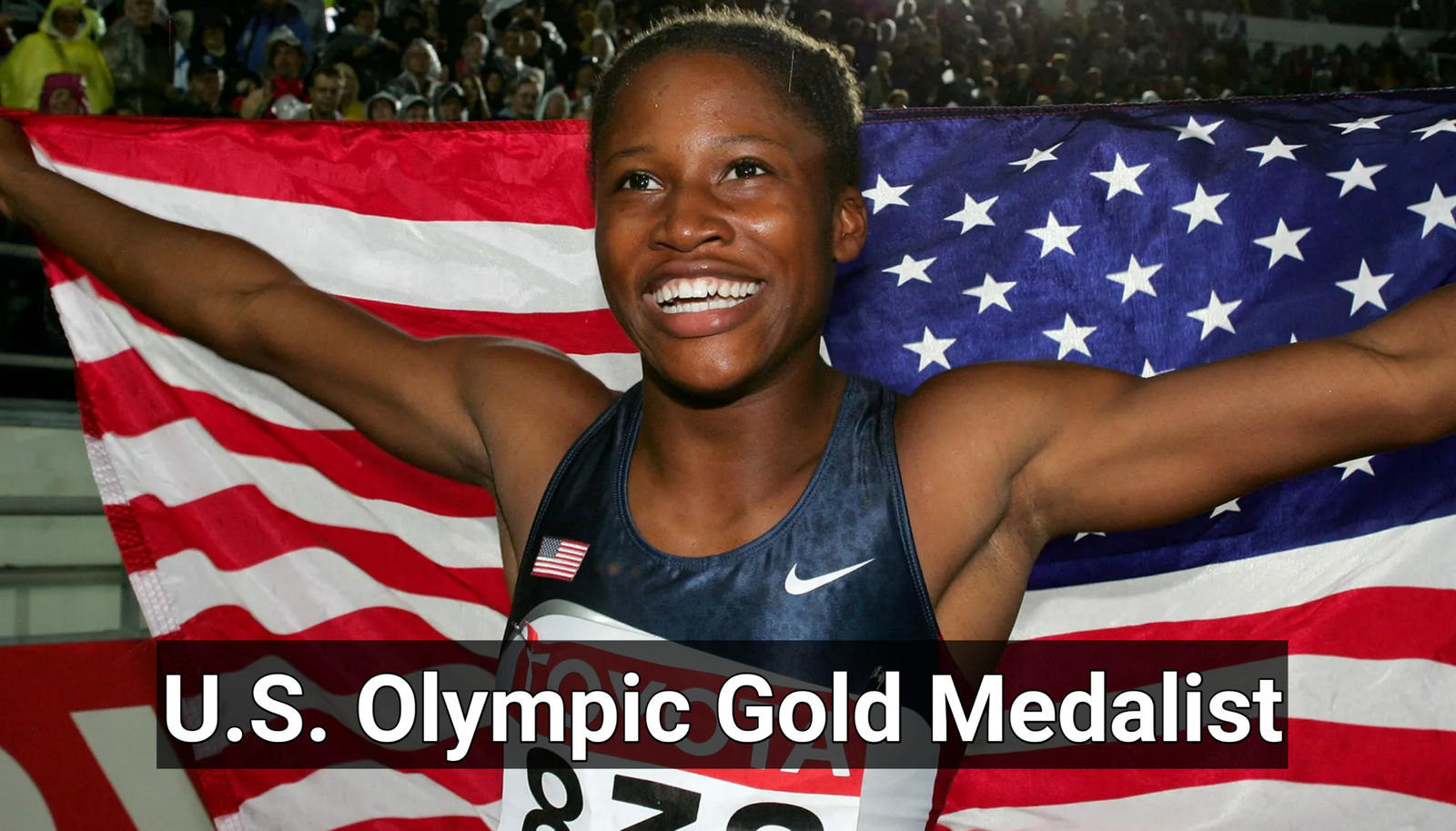
U.S. Olympic gold medalist once earning $200,000 a year in sponsorship deals at just 20 years old faced a reality few people expect. By the age of 30, that same athlete was working a $12-an-hour internship. This real-life story is a strong reminder that sports fame, money, and success are not always permanent, and life after medals can be far more challenging than people imagine.
Table of Contents
U.S. Olympic Gold Medalist Early Success and Fast Money
Winning an Olympic gold medal brings instant fame. Brands come calling, sponsorship money flows in, and media attention follows every move. For this American athlete, the early 20s were filled with luxury, travel, and financial comfort. Earning over $200,000 per year, life felt secure. Many believed the success would last forever.
But behind the scenes, Olympic sports often have short career spans. Unlike football or basketball stars, many Olympic athletes depend heavily on sponsorships, not long-term contracts. When performance dips or public attention fades, the money can stop suddenly.
U.S. Olympic Life Changes After the Spotlight Fades
By the time this Olympic champion reached their late 20s, injuries, competition, and age started to take a toll. Sponsors slowly pulled back. Events were missed. Media interest dropped. Without steady income, reality hit hard.
At 30, instead of endorsements and applause, the athlete accepted a $12-an-hour internship to gain new skills. It was a humbling step, but also a brave one. Starting again is never easy, especially after standing on the world’s biggest stage.
U.S. Olympic Income Comparison: Then vs Now
| Age | Role | Monthly Income |
| 20 | Olympic Athlete with Sponsorships | Around $16,600 |
| 30 | Entry-Level Intern | Around $2,000 |
This sharp drop shows how quickly financial stability can change in professional sports.
Why This Happens to Many U.S. Olympic Athletes
This story is not rare. Many Olympic gold medalists face similar struggles once their competitive days end.
| Key Reason | Explanation |
| Short Careers | Most Olympic sports peak early |
| Limited Savings | High income but poor planning |
| Few Job Skills | Life focused only on training |
| No Long-Term Contracts | Sponsorships can end anytime |
Unlike traditional jobs, sports do not offer pensions or job security.
Lessons for Young Athletes and Fans
This journey teaches an important lesson: success needs planning. Fame is powerful, but it is also temporary. Athletes who invest in education, savings, or business skills often adjust better after retirement.
The Olympic champion did not give up. Taking a low-paying internship was not a failure. It was a restart. Many successful professionals today began with small paychecks and big dreams.
A Powerful Reminder
In Pakistan and around the world, young people dream of sports fame. This story reminds us that hard work should continue even after success. Planning for life after glory is just as important as winning medals. True success is not about how high you rise, but how well you rebuild when life changes.
FAQs
Q: Is this story true?
Yes. Several U.S. Olympic gold medalists have shared similar experiences publicly.
Q: Why do Olympic athletes lose money so fast?
Most rely on sponsorships, which can stop when performance or popularity declines.
Q: Do Olympic athletes get pensions?
No fixed pensions. Some receive small stipends, but it’s not enough long-term.
Q: Is starting as an intern at 30 a failure?
Not at all. It shows courage and willingness to grow again.
Q: What can young athletes learn from this?
Always plan for education, savings, and a second career beyond sports.