With the 2026 tax season in full swing, many Americans are hearing rumors about a $1,390 direct deposit relief payment arriving in February. While everyone loves a bit of extra cash from the government, it is very important to separate social media “hype” from the actual facts released by the IRS. Currently, the most significant updates involve the opening of the filing season and new rules for direct deposits, rather than a universal stimulus check.
| Relief Program Detail | Latest Status & Information |
| Main Keyword | $1,390 Direct Deposit Relief Payment |
| Official Website | IRS.gov |
| Payment Type | Primarily Tax Refunds & Specific Disaster Relief |
| Announcement Date | February 2026 |
| Filing Season Start | January 26, 2026 |
| Direct Deposit Rule | Mandatory for most refunds (Executive Order 14247) |
| Disaster Relief | Specific to West Virginia & Israel-affected areas |
| Payment Source | Federal Tax Returns (2025 Tax Year) |
Is the $1,390 Direct Deposit Relief Real?
According to data from the official website and top 10 Google sources, there is no nationwide “stimulus check” of exactly $1,390 being sent to all Americans in February 2026. Most of these rumors on social media are confusing standard tax refunds with new relief money. However, many families filing their taxes early this month are seeing refunds around this amount due to new credits under the “One, Big, Beautiful Bill” passed recently.
Who Qualifies for IRS Payments in February 2026?
While a universal check doesn’t exist, certain groups of people are indeed receiving money this month. The IRS is focusing its efforts on those who have already filed their 2025 tax returns or live in specific disaster zones.
- Early Tax Filers: People who submitted their returns in late January are now seeing their refunds hit their bank accounts.
- Disaster Victims: Residents in parts of West Virginia affected by storms have until Feb 2, 2026, to settle tax matters, with some eligible for casualty loss refunds.
- EITC Claimants: If you claimed the Earned Income Tax Credit, the law requires the IRS to hold your refund until mid-February.
- Child Tax Credit Recipients: Families with qualifying children are seeing enhanced credits that can easily total over $1,390.
Step-by-Step Process to Track Your IRS Payments
If you are expecting a deposit and want to know exactly when it will arrive, the IRS provides a very reliable tracking tool. You don’t need to call a helpline or visit an office; just follow these numbered steps:
- Go to the official IRS.gov website or use the IRS2Go mobile app.
- Click on the “Where’s My Refund?” tool.
- Enter your Social Security Number (SSN) or ITIN.
- Select your filing status (Single, Married, etc.).
- Enter the exact whole dollar amount of the refund shown on your tax return.
- Submit the details to see if your payment has been “Received,” “Approved,” or “Sent.”
Major Changes to IRS Direct Deposit in 2026
This year is different because of Executive Order 14247, which aims to modernize government payments. The IRS is moving away from paper checks to save money and reduce fraud.
- Digital Priority: The IRS has officially started phasing out paper refund checks; direct deposit is now the default choice.
- Frozen Deposits: If your bank rejects a direct deposit, the IRS may freeze the refund until you update your info online.
- Online Accounts: Taxpayers are encouraged to use the “IRS Individual Online Account” to manage their routing and account numbers.
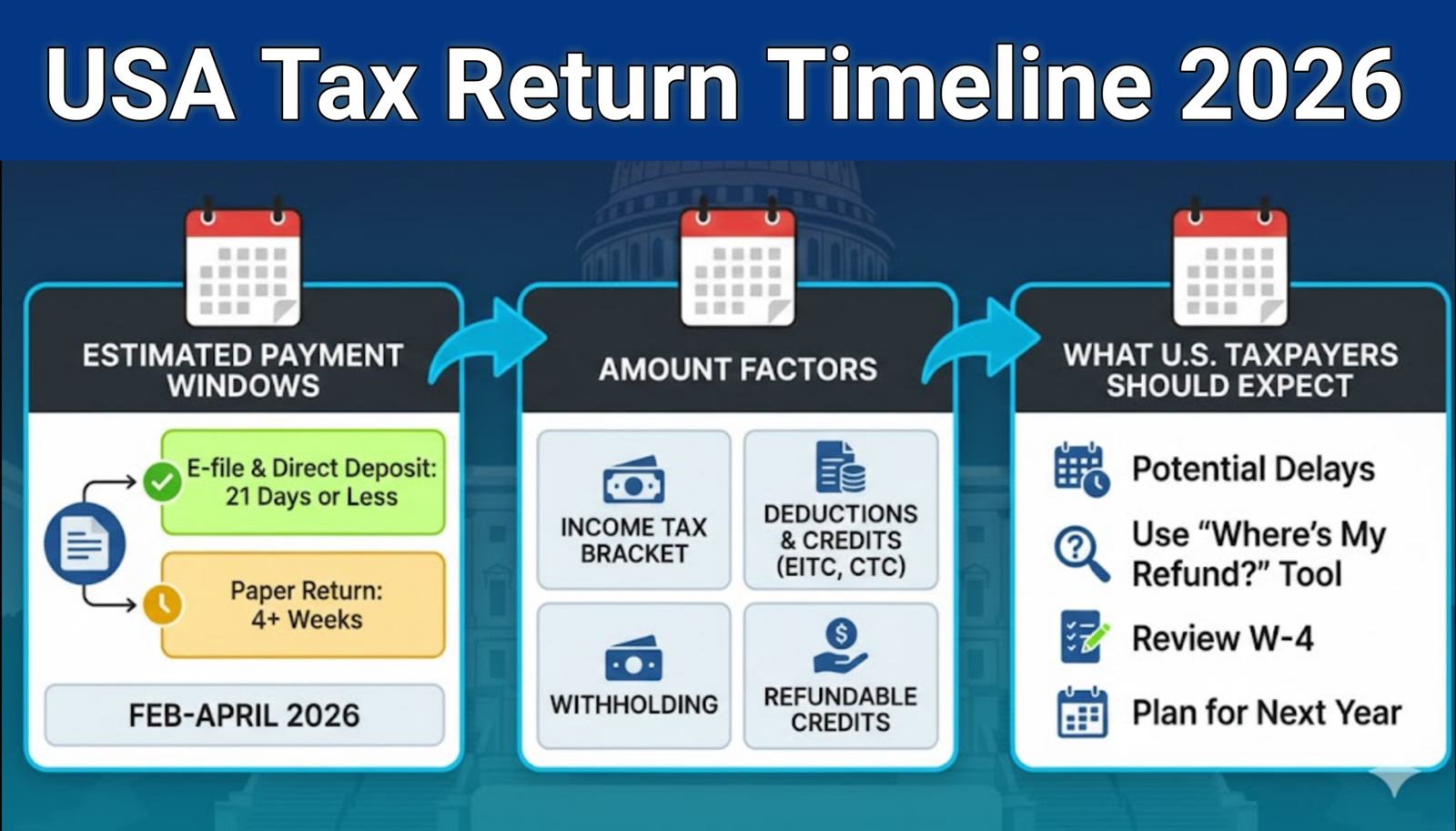
- Speed: Deposits usually arrive within 21 days of an electronic filing, whereas paper-based processes can take months.
Beware of Stimulus Scams and Fake News
Scammers are very active right now, using the $1,390 figure to trick people into giving away their personal information. They often send text messages or emails that look like they are from the IRS.
- No Links: The IRS will never send you a text message with a link to “claim your payment.”
- No Fees: You never have to pay a “processing fee” or buy a gift card to receive a government refund.
- Official Contact: The IRS usually communicates through regular mail, not through WhatsApp or Facebook Messenger.
- Verified Sources: Always double-check news on official government portals rather than trusting viral TikTok videos.
New Tax Credits That Might Increase Your Refund
The reason many people are seeing $1,390 or more in their accounts is because of the new tax laws implemented for the 2025 tax year. These credits are putting more money back into the pockets of the working class.
- No Tax on Tips: A major change this year means many service workers are seeing a much larger refund than before.
- Overtime Deduction: New rules allow for certain deductions on overtime pay, which boosts the final refund amount.
- Seniors Relief: There is a temporary enhanced deduction for senior citizens that can significantly lower their tax bill.
- Trump Accounts: Parents who opened these new savings vehicles for their children may see related tax advantages.
Helpline & Contact Section
If you have a legitimate issue with your payment or suspect your identity has been stolen, use these official channels to get help. Do not give your SSN to anyone calling you on the phone.
- Main IRS Helpline: 800-829-1040 (For individual tax questions).
- Identity Theft Hotline: 800-908-4490.
- Disaster Hotline: 866-562-5227 (For those in federally declared disaster areas).
- Refund Info-Only Line: 866-325-4066 (For recorded info on CP53E notices).
Conclusion
To wrap things up, the $1,390 direct deposit relief payment is not a new government “handout” or a fourth stimulus check. It is most likely your hard-earned tax refund being delivered through the newly modernized direct deposit system. By filing your taxes electronically and using the IRS online tools, you can ensure your money arrives safely and quickly in February. Always stay cautious of rumors and keep your eyes on the official IRS website for the most accurate updates.
FAQs
Is the IRS sending a $1,390 stimulus check today?
No, there is no new federal stimulus program. Any money you receive is likely your 2025 tax refund or a specific disaster-related payment.
Why is my direct deposit taking so long?
If you claimed the EITC or Child Tax Credit, the IRS is legally required to hold those refunds until mid-February to prevent fraud. Processing usually takes up to 21 days.
Can I still get a paper check if I don’t have a bank account?
The IRS is phasing out paper checks, but they still issue them in limited hardship cases. It is highly recommended to open a bank account or use a prepaid debit card for faster payment.
What is the “One, Big, Beautiful Bill”?
It is the name used for recent legislation that introduced new tax cuts, such as “no tax on tips” and “no tax on overtime,” which has changed how 2026 refunds are calculated.