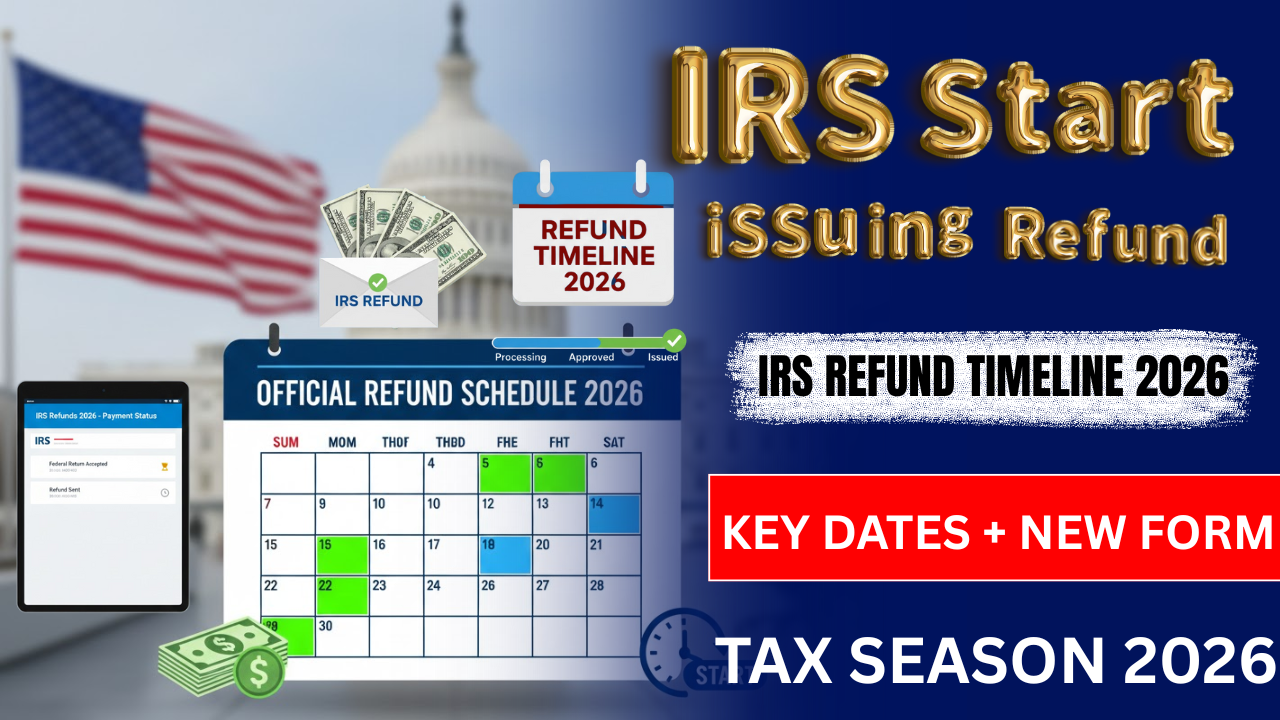
The wait for your tax refund can feel like a lifetime, especially when you have bills to pay or big plans for that cash. For the 2026 tax season (covering your 2025 earnings), the IRS has officially opened its doors on January 26, 2026. While most people expect their money in the usual 21-day window, there are major changes this year—including the phasing out of paper checks—that could change your timeline. Whether you filed early or are waiting until the April 15 deadline, knowing the IRS Refund Schedule 2026 is the only way to plan your budget properly.
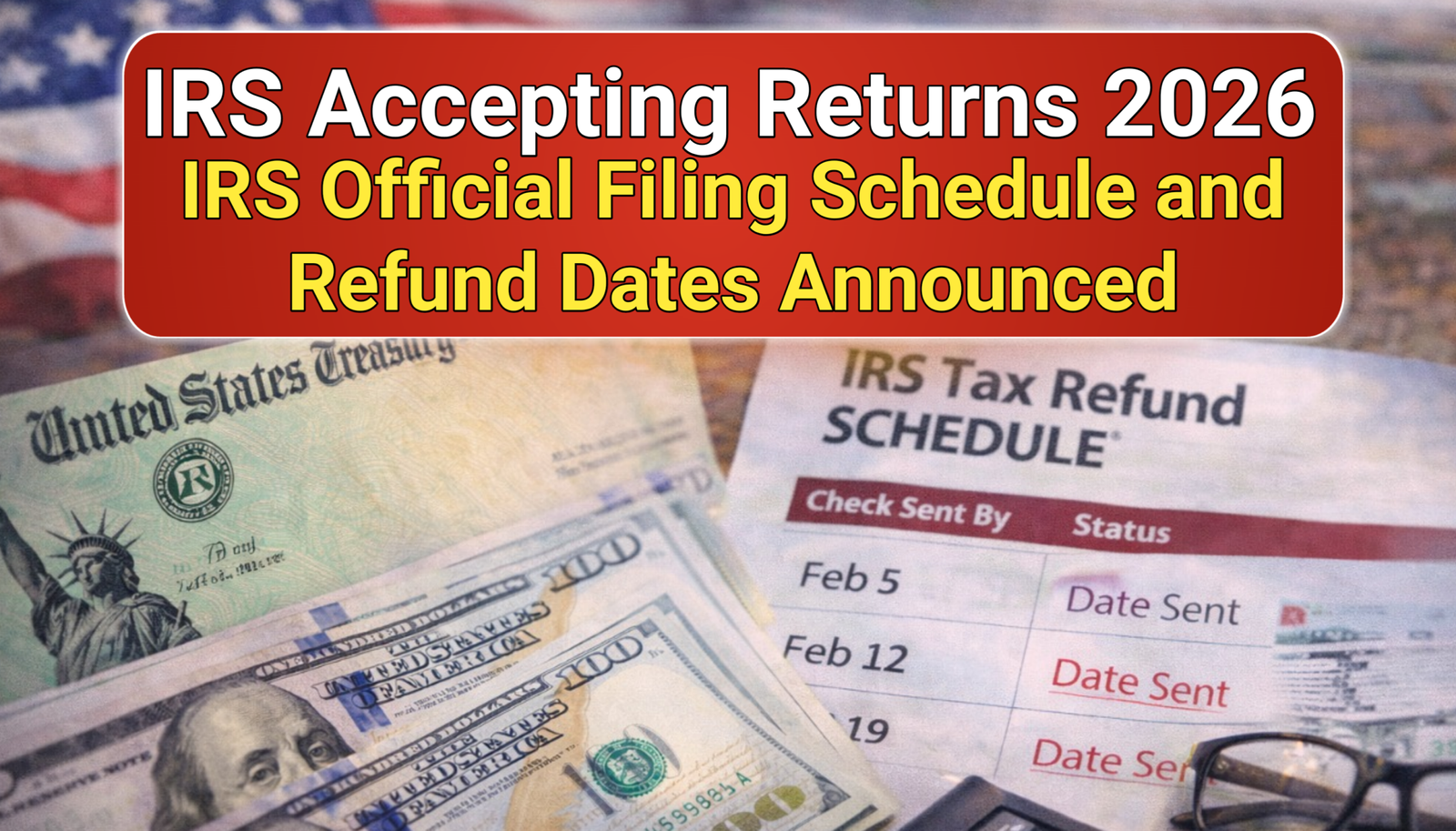
IRS Refund Schedule 2026
| Filing Date (Estimated) | Direct Deposit Arrival |
| Jan 26 – Feb 1 | Feb 9 – Feb 16 |
| Feb 2 – Feb 8 | Feb 17 – Feb 23 |
| Feb 9 – Feb 15 | Feb 24 – March 2 |
| Feb 16 – Feb 22 | March 3 – March 9 |
| Feb 23 – March 1 | March 10 – March 16 |
| March 2 – March 15 | March 23 – March 30 |
| March 16 – March 31 | April 6 – April 13 |
| April 1 – April 15 | April 20 – May 4 |
Major Changes to IRS Refunds in 2026
This year isn’t business as usual for the IRS. Based on information from the Official IRS Website and top 10 Google sources, the biggest shift is the move toward a digital-only system. Executive Order 14247 has pushed the agency to stop mailing paper checks for most taxpayers. This means if you don’t provide a bank account number, your money might be stuck in a “frozen” status until you take action.
Estimated 2026 Tax Refund Delivery Dates
If you are an early bird and filed your taxes the moment the season opened on January 26, you are likely looking at a mid-February arrival. However, the IRS makes it clear that 21 days is a goal, not a guarantee.
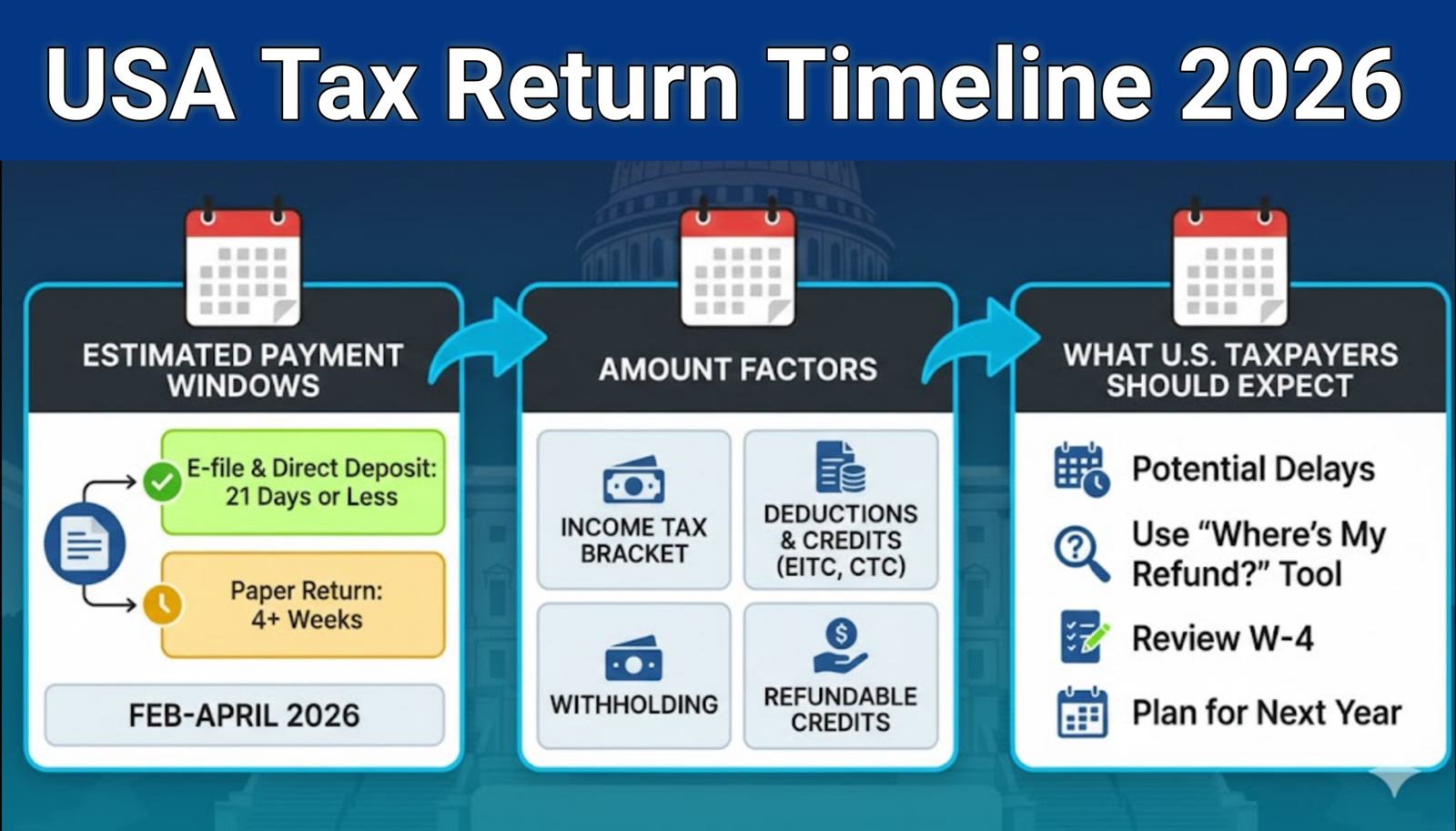
- E-filing speed: If you file electronically and use direct deposit, you are in the fast lane for a 10 to 21-day turnaround.
- Path Act hold: Families claiming the EITC or ACTC credits must wait longer because federal law requires the IRS to hold these refunds until mid-February.
- Identity checks: New fraud prevention steps mean some returns are cross-checked against payroll data, which can add a week to the wait.
- Weekend factor: The IRS doesn’t deposit on weekends or federal holidays like Presidents’ Day (Feb 16, 2026), so keep that in mind when counting days.
Understanding the PATH Act Delay
For many Pakistani-American families and low-income workers, the Earned Income Tax Credit (EITC) is a huge help. But because of the PATH Act, the IRS cannot release these refunds before February 15.
- Earliest Date: According to official news, EITC/ACTC refunds should start hitting bank accounts by March 2, 2026.
- App Updates: You can start seeing your specific “Where’s My Refund?” update for these credits around February 21.
- Fraud Prevention: This delay exists simply to stop identity thieves from stealing your hard-earned money before you even file.
The End of Paper Checks in 2026
If you are used to getting a check in your mailbox, 2026 might give you a bit of a headache. The IRS is now modernizing its system to save money and reduce theft.
- Digital First: Most taxpayers are now required to provide routing and account numbers to get their money.
- CP53E Notice: If your direct deposit is rejected or missing, the IRS will freeze the refund and send you a letter (Notice CP53E) asking for bank details.
- Limited Exceptions: Paper checks are now only for very specific cases, like for minors, prisoners, or those with religious exceptions.
- Verification: You may need to log into your IRS Individual Online Account to verify your identity before the payment is released.
What Causes Unexpected Refund Delays?
Sometimes even a perfect return gets stuck. In 2026, the agency is dealing with new tax laws and workforce changes that might slow things down for some people.
- Manual Review: If you have multiple income sources or freelance work, a human might need to look at your return, which takes 3 to 6 weeks.
- Math Errors: Small mistakes in adding up numbers or entering the wrong Social Security number are the #1 cause of delays.
- Amended Returns: If you realized you made a mistake and filed an “amended” return, be prepared to wait up to 16-20 weeks.
How to Track Your Refund Status
You don’t need to call the IRS and wait on hold for hours just to get an update. The digital tools are much faster and update once every 24 hours (usually overnight).
- IRS2Go App: Download the official app on your phone for quick mobile tracking.
- Where’s My Refund: This web tool is the gold standard for tracking.
- Online Account: Creating an IRS Online Account lets you see your full tax history and any notices sent to you.
Helpline & Contact Information
If it has been more than 21 days since you e-filed and your status hasn’t moved, or if you received a confusing letter, you can reach out through these official channels:
- General Tax Help: 800-829-1040 (7 AM – 7 PM local time)
- Refund Status (Automated): 800-829-1954
- Lost or Stolen Refund Trace: 800-829-1954
- Taxpayer Advocate Service: 877-777-4778 (For when you have a financial hardship)
Conclusion
Staying on top of the IRS Refund Schedule 2026 is all about being proactive. This year, the shift to a digital-only refund system means that having a bank account is more important than ever. By filing electronically and double-checking your routing numbers, you can avoid the “frozen” status that many will face this year. Remember, the fastest way to your money is through accuracy and direct deposit. Don’t let a small typo delay your financial relief!
FAQs
1. When is the first day I can file my taxes in 2026?
The IRS officially started accepting 2025 tax returns on Monday, January 26, 2026.
2. Can I still get a paper check if I don’t have a bank account?
It is much harder now. The IRS is phasing them out, but if you don’t provide bank info, they will eventually mail a check after a 6-week delay, though they prefer you use a debit card or online account.
3. Why is my refund still “Processing” after 3 weeks?
This often happens if your return needs extra review for credits like the EITC or if there was an error in your reported income that doesn’t match what your employer sent to the IRS.
4. Does a government shutdown affect my refund?
It can. If Congress doesn’t pass funding, the IRS might have fewer staff members, which could slow down the processing of paper-filed returns especially.