Major IRS warning for 2026: Your tax refund could be frozen for weeks if you don’t provide direct deposit information. The IRS has officially started accepting returns and has launched a new system that phases out paper checks. This change could cause significant delays for millions of taxpayers, especially those without a U.S. bank account. Here is the critical schedule, the new process you must follow, and the exact steps to secure your refund without unnecessary hold-ups.
The 2026 tax filing season marks a pivotal shift in how the Internal Revenue Service (IRS) distributes refunds. To increase efficiency and security, the IRS has mandated direct deposit as the primary refund method, significantly limiting the automatic issuance of paper checks. Understanding this new process is essential to receiving your refund promptly.
What is the IRS 2026 Acceptance Schedule?
The IRS has announced it will begin accepting and processing 2025 tax year returns starting January 26, 2026. This is the date when the e-file system opens.
- Key Date: January 26, 2026 – First day the IRS accepts e-filed returns.
- Tax Deadline: April 15, 2026 – The filing deadline for most taxpayers (subject to change for weekends/holidays).
- Important: Even if you file early, your refund will follow the new direct deposit rules outlined below.
What is the New 2026 Refund Process?
The old system of automatically mailing a paper check if direct deposit fails is over. Here is the new step-by-step process:
- File Your Return with Direct Deposit Info: Provide accurate U.S. bank routing and account numbers.
- If Info is Missing or Rejected: The IRS will freeze your refund and mail you a CP53E Notice.
- You Have 30 Days to Act: Use your IRS Online Account to input correct banking details.
- If You Take No Action: After 6 weeks, the IRS may issue a paper check to your last known address.
- International Taxpayers: The IRS states “international taxpayers” may be exempt, but this term is not clearly defined, creating uncertainty.
How to Avoid Delays and Get Your Refund Fast?
To ensure the fastest possible refund, follow this checklist:
- Set Up Direct Deposit: Ensure you have an active U.S. checking or savings account for the refund.
- Double-Check Bank Details: Verify your routing and account numbers on your tax return. A single digit error will trigger a reject and a CP53E notice.
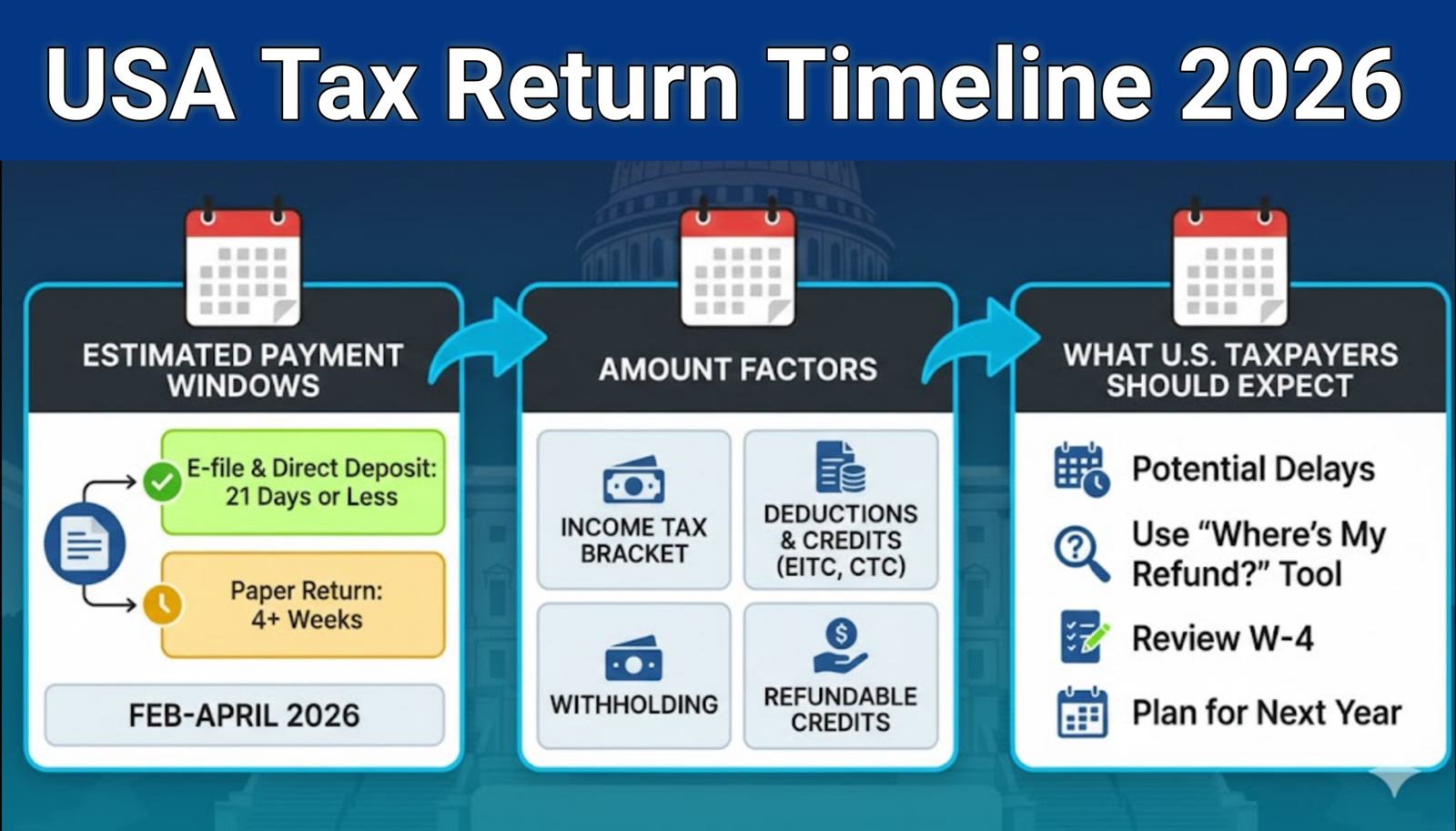
- Create an IRS Online Account: This is now essential. Set it up at IRS.gov before you file to resolve any issues quickly.
- File Electronically: E-filing is faster and more accurate than mailing a paper return.
What is the Official Timeline for 2026 Refunds?
Here’s a comparison of the old process versus the new 2026 process:
| Scenario | Old Process (Pre-2026) | New 2026 Process |
|---|---|---|
| Direct Deposit Success | Refund in 21 days or less. | Refund in 21 days or less. |
| Direct Deposit Rejected | IRS mailed paper check automatically after 1-2 weeks. | Refund is Frozen. CP53E notice sent. 30-day response window. Potential 6+ week total delay. |
| No Direct Deposit Info Provided | IRS mailed paper check automatically. | Refund is Frozen. CP53E notice sent. 30-day response window. Potential 6+ week total delay. |
What if You Don’t Have a U.S. Bank Account?
This is the biggest challenge under the new rules. Your options are:
- Open a U.S. Account: Consider a basic online checking account if possible.
- Use Your IRS Online Account: Upon receiving a CP53E notice, you can log in and request a paper check waiver.
- Call the IRS: Dial 1-800-829-1040 to speak with a representative and request your refund be switched to a paper check.
- Seek Professional Help: If you are living abroad or have complex circumstances, consult a tax professional.
What is the Official IRS Website for Help?
For all actions, only use official IRS resources:
- IRS Online Account Portal: IRS.gov/account
- Where’s My Refund Tool: IRS.gov/refunds
- Main IRS Helpline: 1-800-829-1040
What are the Key Takeaways for a Smooth 2026 Tax Season?
To navigate this change successfully, remember these points:
- Direct Deposit is King: It is the only way to guarantee a fast refund.
- The CP53E Notice is Critical: If you get one, act within 30 days via your IRS Online Account.
- Paper Checks are a Last Resort: They will cause a minimum 6-week delay from your filing date.
- Plan Ahead: If you know you’ll face banking issues, address them before filing your return.
Conclusion
The IRS 2026 filing season introduces the most significant refund processing change in years. Your preparedness will directly impact how quickly you receive your money. Before you file, secure your direct deposit details and set up your IRS Online Account. Treat your banking information on your tax return with the same care as your Social Security Number. By understanding and adapting to this new mandatory direct deposit system, you can avoid the stress of a frozen refund and ensure your finances stay on schedule.