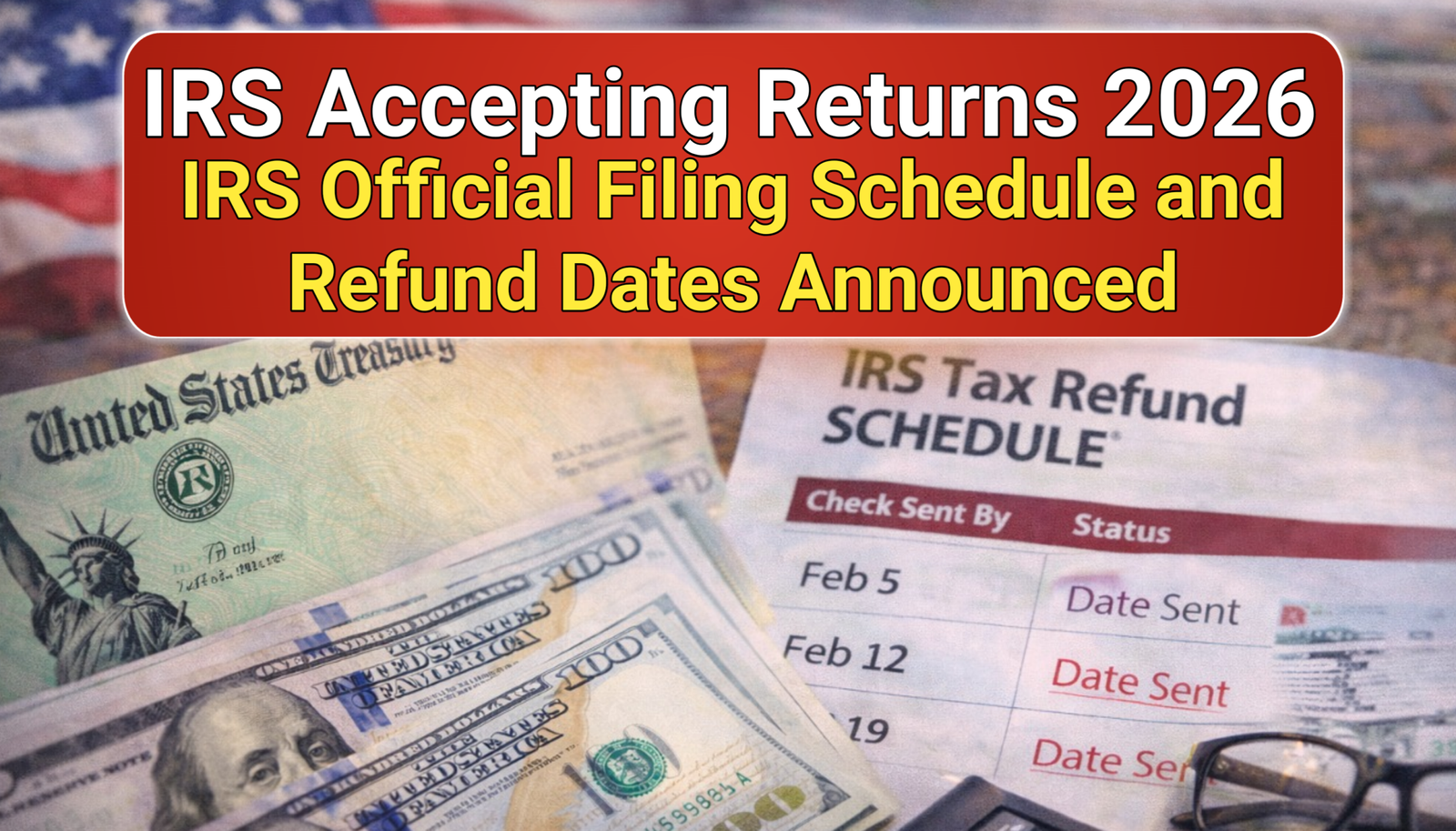
Wait, don’t tell me you’re already stressing about your tax refund! I get it—it’s that time of year again when everyone is glued to their bank apps, hoping to see that “IRS Treas” notification. This year, the IRS officially kicked things off on January 26, 2026, and they’re expecting to process over 160 million returns. If you’re looking for the IRS tax refund calendar and schedule 2026 (updated), you’ve come to the right place. We’ve broken down the dates so you can stop guessing and start planning how to spend that extra cash.
Read More: U.S. Olympic Gold Medalist
Table of Contents
When Will My Refund Hit My Bank Account?
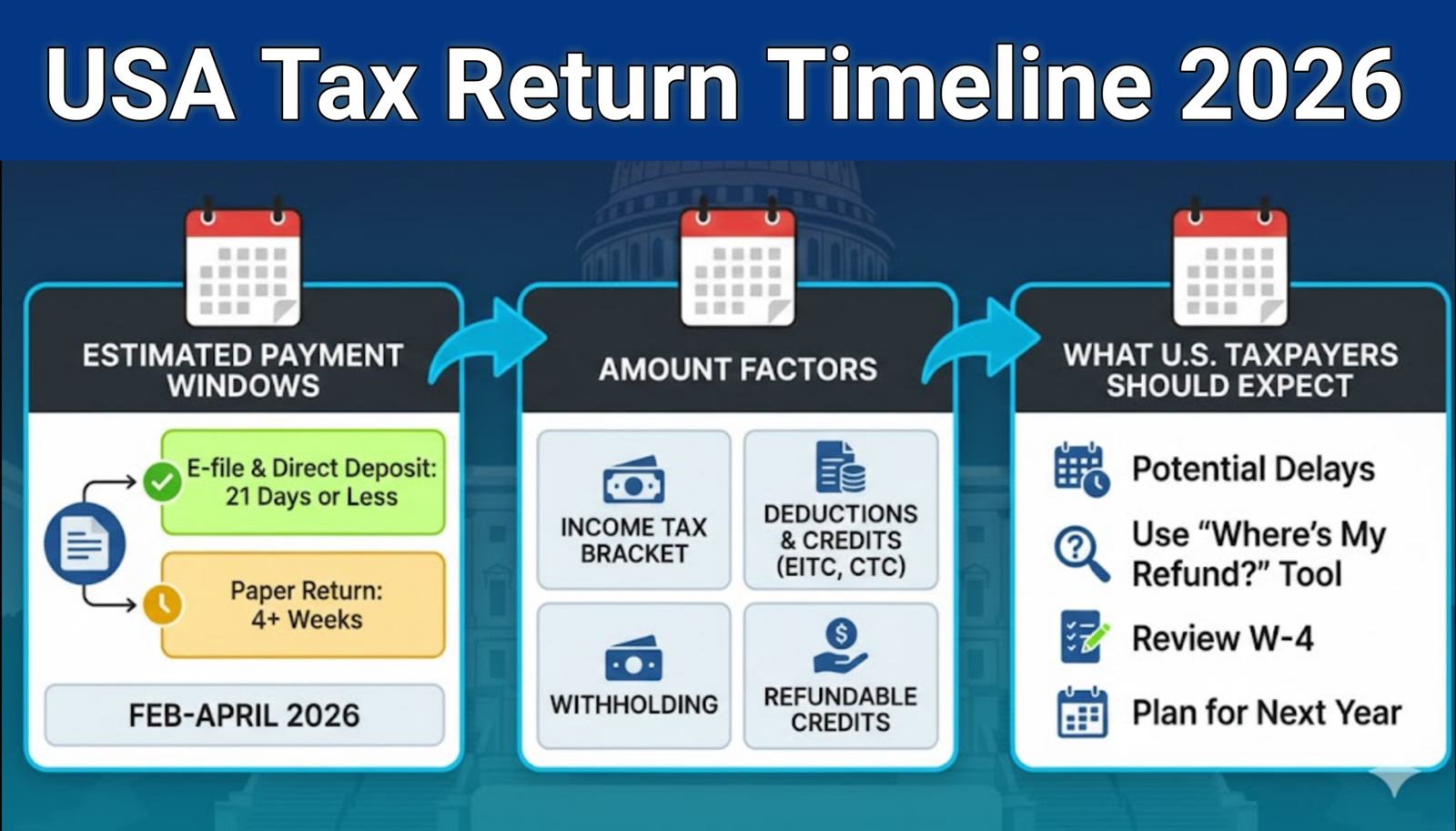
The big question is always when. Generally, the IRS is sticking to its classic “21-day” rule for most people who file electronically and choose direct deposit. However, a major change this year is the big push toward digital. Thanks to recent executive orders, the IRS is actively phasing out paper checks. If you didn’t provide bank details when you filed, your refund might actually be “frozen” for a bit while the IRS sends you a notice (CP53E) asking for direct deposit info.
If you filed early, here is a rough look at the timeline:
IRS Tax Refund Calendar and Schedule 2026
| If you filed between… | Expect Direct Deposit by… | Expect Paper Check by… |
| Jan 26 – Feb 1 | Feb 13 – Feb 20 | Late March |
| Feb 2 – Feb 8 | Feb 20 – Feb 27 | Early April |
| Feb 9 – Feb 15 | Feb 27 – March 6 | Mid-April |
| Feb 16 – Feb 22 | March 6 – March 13 | Late April |
The “PATH Act” Delay: EITC and ACTC Filers
If you claimed the Earned Income Tax Credit (EITC) or the Additional Child Tax Credit (ACTC), don’t panic if your status hasn’t moved. By law, the IRS cannot issue these refunds before mid-February. This is to give them extra time to prevent fraud. For 2026, most of these filers will see their money in their accounts starting March 2, 2026, provided they used direct deposit and there aren’t any other hiccups.
Read More: UK Dependant Visa Rules
Key Deadlines to Remember
| Event | Date |
| Tax Season Opens | January 26, 2026 |
| PATH Act Refunds Start | March 2, 2026 |
| Federal Filing Deadline | April 15, 2026 |
| Extension Deadline | October 15, 2026 |
Why is My IRS Refund Delayed?
Sometimes, things just take longer. If you’ve hit the 21-day mark and still see “Processing” on the Where’s My Refund? tool, it could be a few things. Maybe there was a typo in your Social Security number, or perhaps you claimed a new deduction like the “No Tax on Tips” or “Car Loan Interest” deductions that are new for the 2025 tax year.
Also, remember that the IRS is under some pressure this year with staffing shifts. If you need to call them, be prepared to wait. Your best bet is always the IRS2Go app. It updates once every 24 hours, usually overnight, so checking it ten times a day won’t make the money arrive any faster (though we’ve all been there!).
Read More: First US Bank Collapse
FAQs
1. What is the fastest way to get my refund?
E-file your return and choose direct deposit. This combo usually gets your money to you in under three weeks. Paper returns can take six weeks or even months to process.
2. Can I still get a paper check in 2026?
Technically, yes, but the IRS is making it harder. If you don’t provide bank info, they will likely hold the refund and ask you to provide an account. If you don’t respond, a paper check is sent after about six weeks.
3. When will “Where’s My Refund?” update for 2026?
For e-filers, the status usually appears 24 hours after the IRS accepts the return. For paper filers, it can take up to four weeks just to show up in the system.
4. Does the government shutdown affect my refund?
The IRS leadership has stated that even with partial shutdowns, they intend to keep the refund processing lines moving so taxpayers aren’t left hanging.